
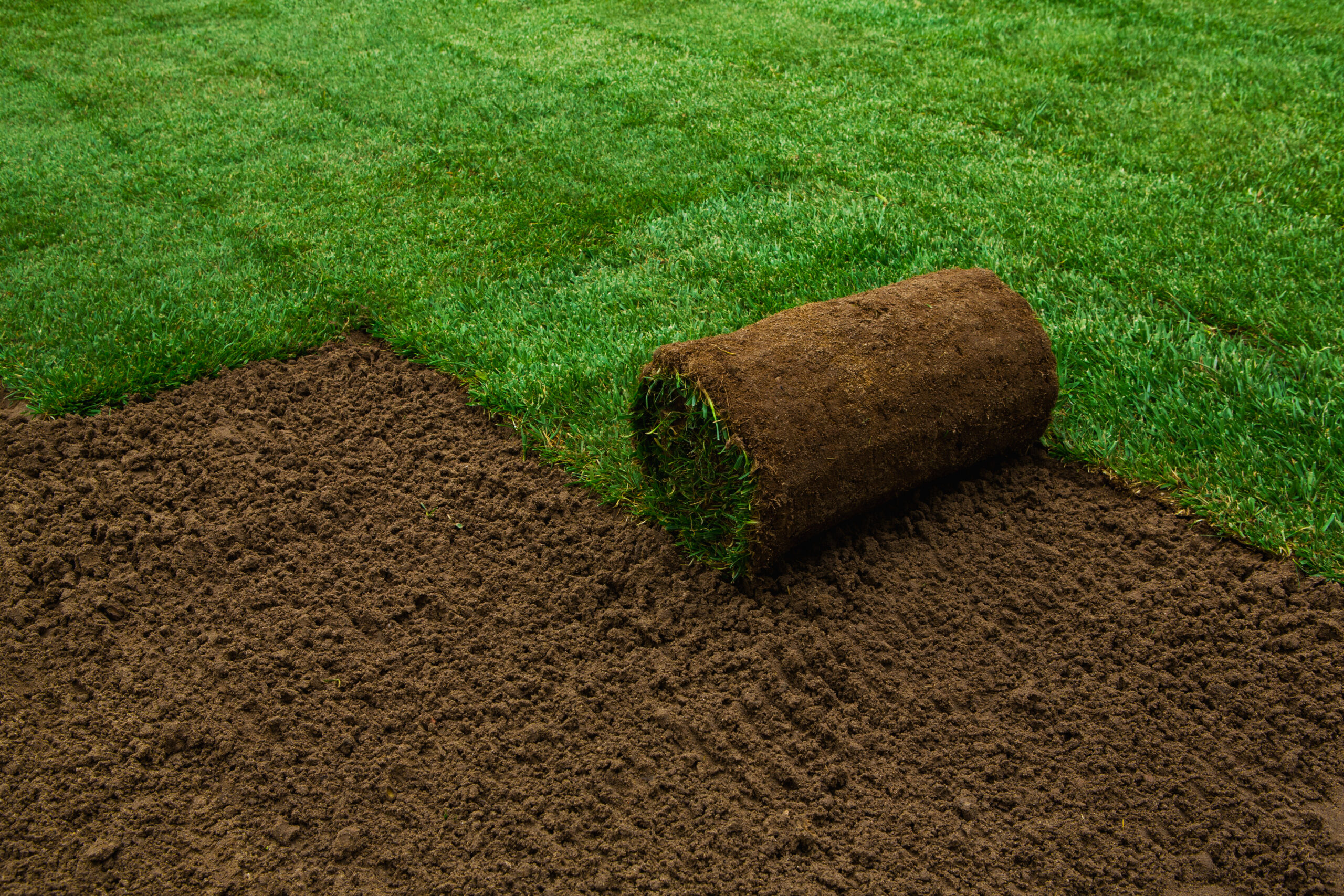
Turfing in Royal Wootton Bassett
For clients in Swindon, Royal Wootton Bassett or the surrounding towns and villages, discover how to refresh your garden with natural turf laid to thrive. Godfrey & Mann combine decades of knowledge and careful preparation to deliver a healthy, vibrant lawn that feels as if it’s always been there.
Professional Turfing: Bringing Nature to Your Garden
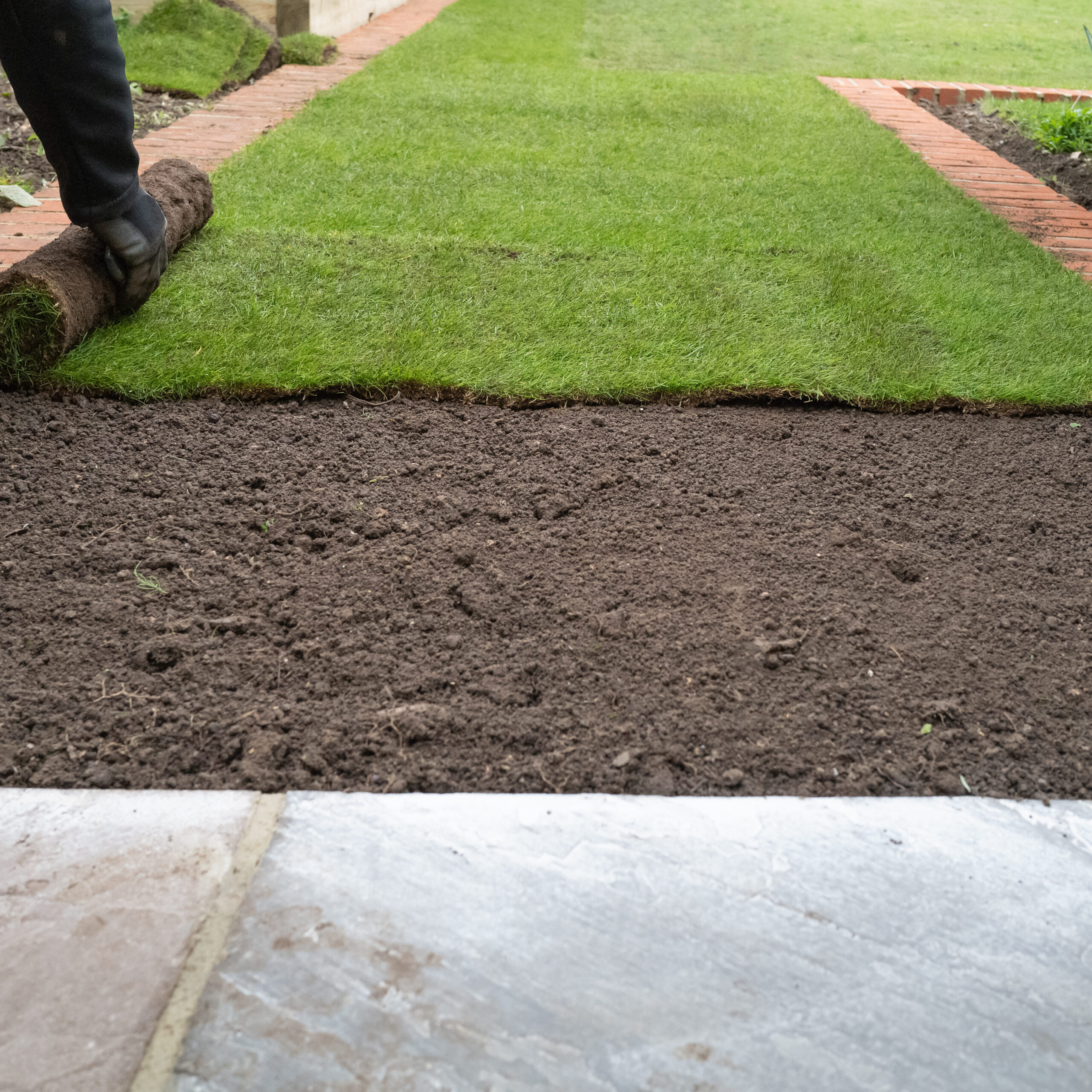
For homeowners who prefer the feel and appearance of natural grass over the artificial option, turfing is the perfect solution. Installing natural turf requires a keen understanding of the local environment, soil conditions, and grass species that will thrive in your garden. As an experienced local landscaper, we assess these factors to ensure a lush, healthy lawn that enhances your outdoor space. Healthy turf provides not only a visually pleasing feature but also helps absorb rainfall and supports local wildlife.
The turfing process involves:
- Soil preparation, including levelling and removing debris
- Laying fresh, high-quality turf rolls
- Watering and rolling to ensure the turf beds properly
- Post-installation advice on watering and care
By bringing in a professional landscaper from Godfrey & Mann, you ensure your turfing in Swindon, Royal Wootton Bassett, or the surrounding areas receives the best care, resulting in a flawless lawn that complements your outdoor space.
Tips For Letting New Turf Settle
Keep the Turf Moist
Letting new turf settle correctly is essential for achieving a healthy, long-lasting lawn, and a little care in the early weeks will make all the difference to how well your grass roots and grows. Once your fresh turf has been laid, the most important step is consistent watering. For the first 10 to 14 days, the soil beneath the turf must remain moist so the roots can knit securely into the ground.
But Don’t Overwater
It’s key to avoid overwatering, as waterlogged soil can also prevent proper rooting. During this settling period, it is important to keep all foot traffic to a minimum. Walking on new turf can cause dents, uneven patches, or shift the position of the rolls before they have bonded with the soil beneath.
Use Boards for Access
If you need to access part of the garden, placing boards temporarily can help distribute weight and reduce pressure on the fresh grass. Mowing should also wait until the turf is fully established, usually around the three-week mark, and even then, the first cut should be gentle, taking only the top third of the blade to avoid stressing the new lawn.
Check for Raised Edges
As your turf begins to root, check regularly for raised edges or gaps and lightly press them down so they stay flush with the rest of the lawn. After four to six weeks, you can begin treating your new lawn like any other lawn, gradually reducing watering and increasing mowing frequency as the turf matures.
With the right early care, your lawn will develop strong roots, even growth and the deep, healthy colour that creates the perfect foundation for a beautiful garden.
Tips for Letting New Turf Settle
Godfrey & Mann is a time-served landscaper offering a wide range of new fencing options for residential and commercial properties in and around Swindon and Royal Wootton Bassett. Our range includes:
Keep the Turf Moist
Allowing new turf to settle properly is essential for achieving a healthy, long-lasting lawn. A little care in the early weeks will make all the difference in how well your grass roots and grows. Once your fresh turf has been laid, the most important step is consistent watering. For the first 10 to 14 days, the soil beneath the turf must remain moist so the roots can knit securely into the ground.
But Don’t Overwater
It’s important to avoid overwatering, as waterlogged soil can impede proper root development. During this settling period, keep foot traffic to a minimum. Walking on new turf can cause dents, uneven patches, or shift the position of the rolls before they have bonded with the soil beneath.
Use Boards for Access
If you need to access part of the garden, placing boards temporarily can help distribute weight and reduce pressure on the fresh grass. Mowing should wait until the turf is fully established, usually around the three-week mark. When you do mow new turf for the first time, cut only the top third of the grass to avoid damaging the young plants.
Check for Raised Edges
As your turf begins to root, check regularly for raised edges or gaps and lightly press them down so they stay flush with the rest of the lawn. After four to six weeks, you can start treating your new lawn like any established lawn, gradually reducing watering and increasing mowing frequency as the turf matures.
With the right early care, your lawn will develop strong roots, even growth, and the deep, healthy colour that creates the perfect foundation for a beautiful garden.
FAQs – Turfing
When is the best time of the year to lay turf?
The best time to lay turf is mid-autumn to late spring, when temperatures are cooler and natural rainfall helps the roots establish. Turf can be laid in summer too, but it requires much more frequent watering.
How do I prepare my garden for new turf?
Preparation involves removing old grass and weeds, levelling the ground, improving soil quality, and ensuring good drainage. A smooth, well-prepared surface gives new turf the best chance to root quickly and grow evenly.
How often should I water freshly laid turf?
Fresh turf should be watered daily for the first week, then gradually reduced as weather conditions allow. The goal is to keep the turf moist but not waterlogged until it fully establishes.
How soon can I walk on newly laid turf?
You should avoid walking on new turf for at least 2 weeks. Once the turf has firmly rooted and feels stable underfoot, it’s usually safe to use it more normally.
Getting Started
Think you’re ready to start your turfing project for your Swindon or Royal Wootton Bassett home? Give Godfrey & Mann a call on 07789 058024. Our friendly team are eager to share our expertise and help you bring new life to your garden.