
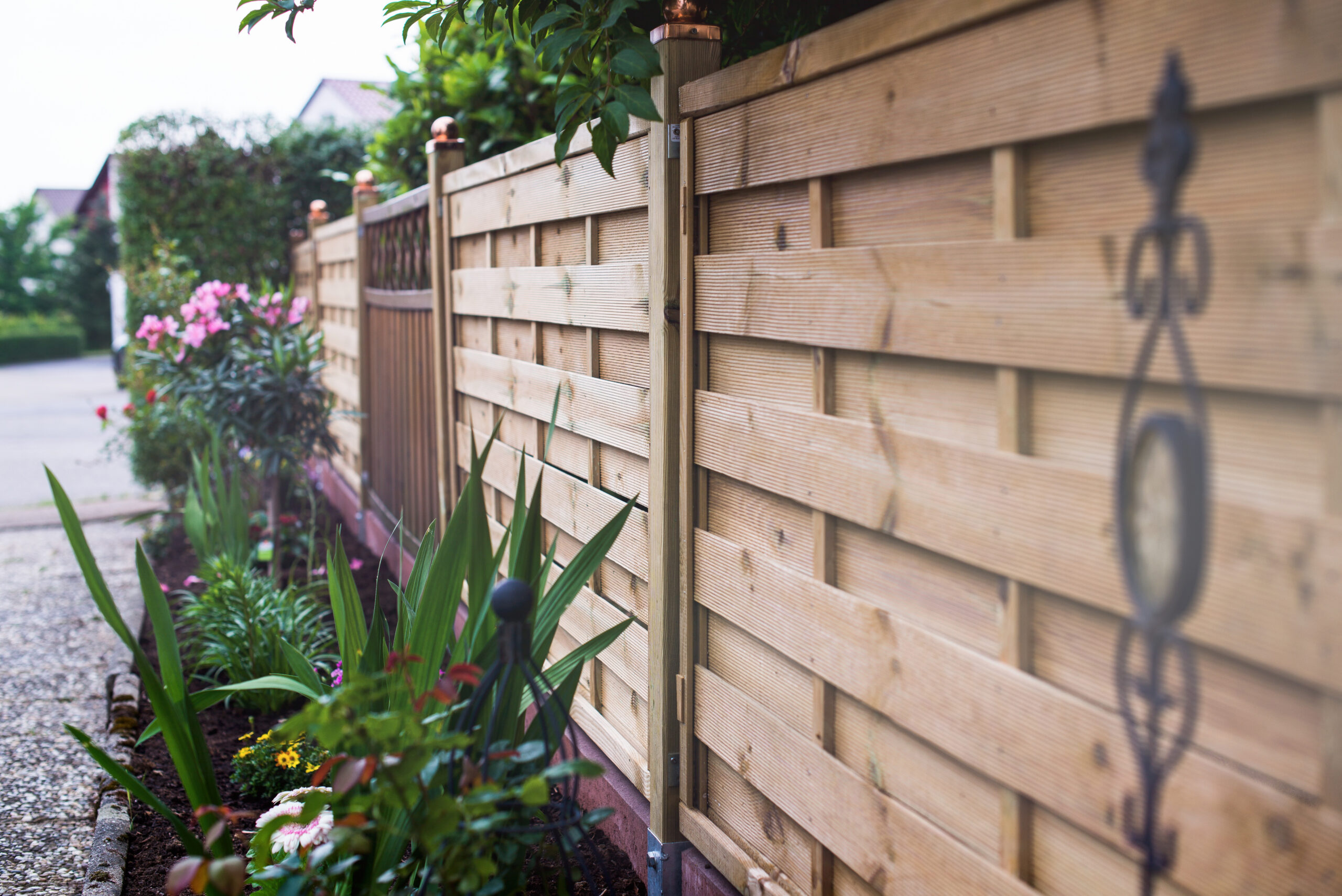
Fencing in Swindon
Enhance the look and privacy of your garden in Swindon or Royal Wootton Bassett with thoughtfully installed new fencing. From traditional timber to modern composite options, Godfrey & Mann provide reliable, well-crafted solutions that quietly improve security, structure and everyday enjoyment of your outdoor space.
New Fencing: Where to Begin?
Godfrey & Mann Landscaping & Property Ltd is a trusted landscaper offering new fencing installations in Swindon, Royal Wootton Bassett, and surrounding areas. With over 30 years of experience under our belts, we offer a wide range of garden fencing and landscaping solutions, including composite decking installation, tailored to fit your specific needs.
If you’re looking to enhance the privacy of your property or improve the aesthetic appeal of your outdoor space, we have you covered. Trust our team to seamlessly integrate durable, high-quality garden fences designed to withstand the elements.
Types of Fencing We Supply & Install
Godfrey & Mann is a time-served landscaper offering a wide range of new fencing options for residential and commercial properties in and around Swindon and Royal Wootton Bassett. Our range includes:
Closeboard Wood Fencing: A robust and popular option for residential fencing, closeboard wood fences are built to last and are a strong, weather-resistant barrier for your home.
Feathered Fencing: With overlapping vertical boards, feathered fencing provides a strong and private boundary for your garden, offering a solid solution for security and privacy.
Picket Fences: A classic choice, picket fences are ideal for adding charm and a boundary to your front garden. They provide an attractive yet open design, allowing visibility while defining your space.
Split Fences: Popular for larger areas and rural properties, split fences offer a rustic look and are perfect for marking boundaries in gardens or estates.
Vinyl Fences: Known for their low maintenance and long lifespan, vinyl fences come in a variety of styles and colours, providing a clean, modern look without the need for regular upkeep.
Composite Privacy Fencing: Offering the perfect balance between durability and design, composite fencing is made from a combination of wood fibres and plastic, giving you the natural look of wood without the maintenance requirements.
Trellis Fencing: Trellis fences are perfect for creating decorative boundaries and supporting climbing plants, adding both beauty and function to your garden space.
Speciality Fences: Custom fences designed for unique requirements, such as decorative borders or intricate designs, ensuring your fencing is as individual as your property.
When & Why to Upgrade Your Garden With New Fencing
Upgrading your garden fencing not only improves the appearance of your outdoor space but also enhances security, privacy, and property value. Signs that Swindon and Royal Wootton Bassett residents may need fence replacement include rotting or broken panels, instability, or a fence no longer providing adequate privacy or protection.
Here are a few reasons to consider upgrading your outdoor space with new fencing:
- Increased privacy
- Improved security for your home or business
- Enhanced aesthetic appeal
- Better weather resistance with newer materials
- Safety for pets and children
- Replacement of damaged or decaying garden fences
In a nutshell, fence replacement can help ensure your property looks its best while being well-protected against external elements.

FAQs – Fencing
How long does garden fencing typically last?
Most well-installed timber fencing lasts between 10 and 20 years, depending on the wood type and level of treatment. High-quality pressure-treated panels, especially closeboard or featheredge styles, are designed to withstand weather exposure far longer than cheaper alternatives. Regular care, such as keeping panels clear of soil contact, can extend their lifespan even further.
What type of fencing is best for privacy?
Closeboard fencing is one of the most popular choices for privacy because its vertical boards overlap tightly, creating a strong, solid boundary. Featheredge and composite privacy fencing are also excellent options. These styles block views into the garden while providing a sturdy, long-lasting barrier that enhances both security and appearance.
Does garden fencing need much maintenance?
Timber fencing requires occasional maintenance, such as applying protective treatments or stains every few years to prevent moisture damage and fading. Composite and vinyl fencing need far less attention, simply requiring a wash down with warm, soapy water from time to time. Regular checks after storms help ensure panels stay secure.
Contact Us
If you’re in Swindon, Royal Wootton Bassett, or nearby locations, and need a professional landscaper to install new fencing or replace existing garden fences, get in touch with Godfrey & Mann on 07789 058024.