
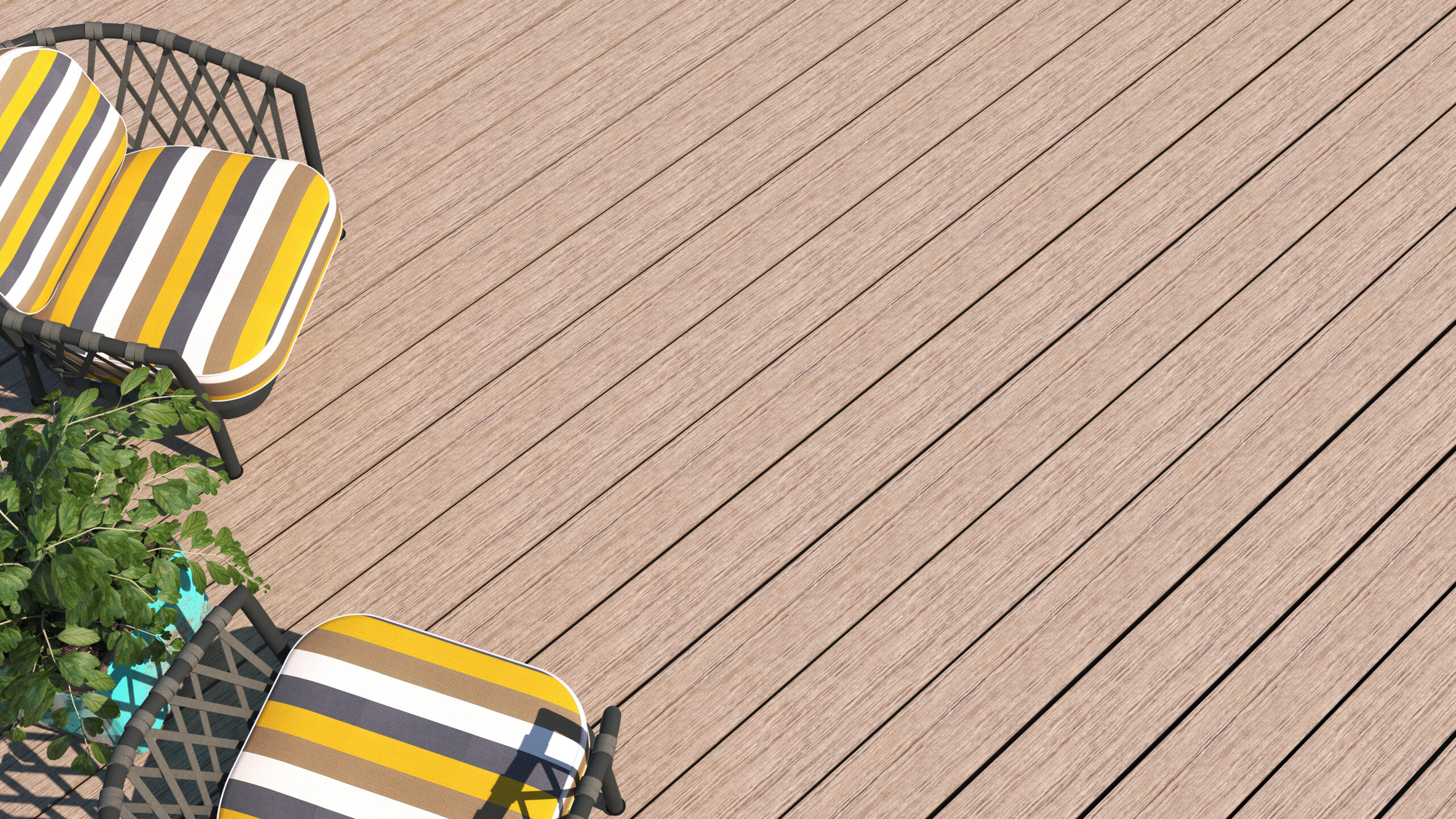
Wooden & Composite Decking in Royal Wootton Bassett
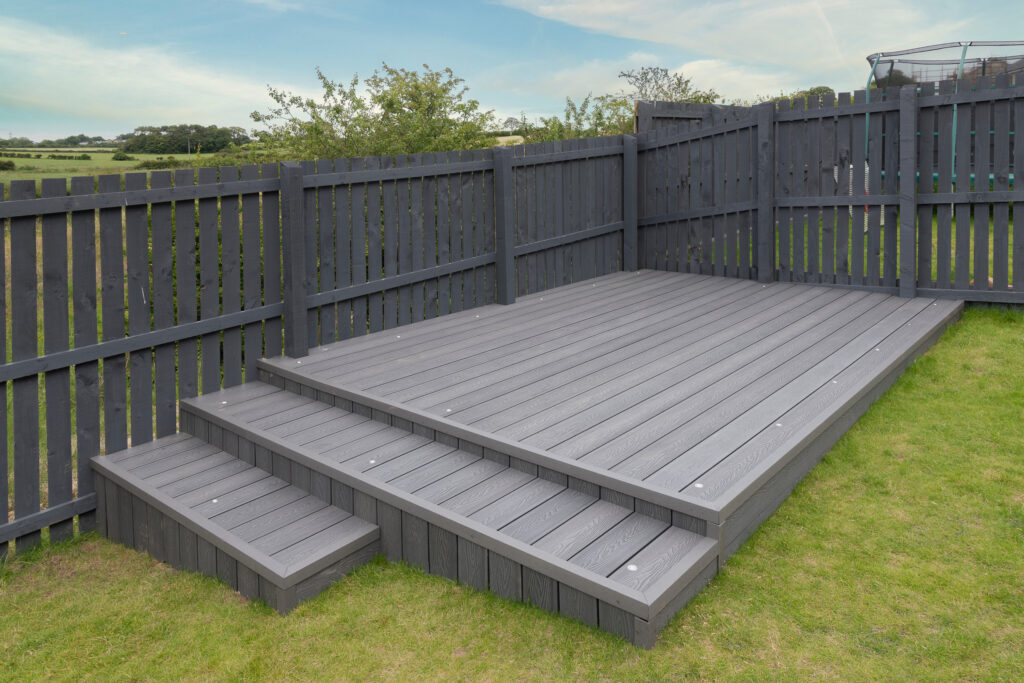
Installed with care by Godfrey & Mann, wooden and composite decking offers a clean, durable foundation for everyday living, quiet moments outdoors, and simple, modern style. Discover how gardens in Swindon and the surrounding area are opting for decking.
Who Should I Turn to for Decking Expertise?
The mission at Godfrey & Mann Landscaping & Property Ltd: expertly design and install features that make for stunning outdoor spaces. As an experienced landscaper serving Swindon, Royal Wootton Bassett, and all nearby locations, we achieve this through our high-quality decking services, tailored to enhance any garden. This complements our new fencing, turfing, and artificial grass installation services, alongside a full range of hard landscaping offerings, making us a one-stop solution for reimagining your garden.
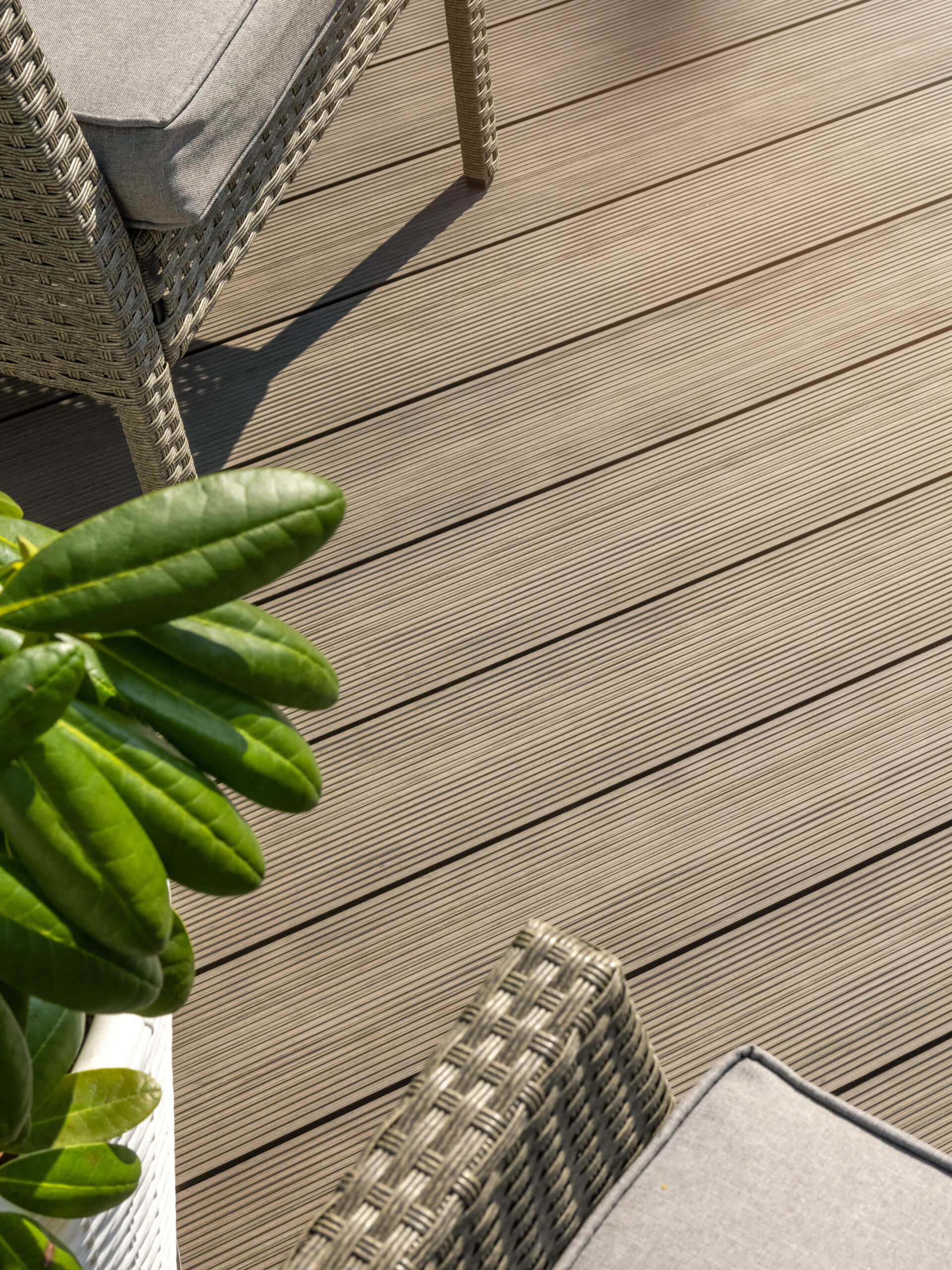
Types of Decking We Supply & Install
Choosing the right decking for your garden is crucial, as each type has its own unique characteristics. At Godfrey & Mann, we provide a wide range of options, from softwood to advanced composite decking systems, to suit your style and budget.
- Uncapped Composite Decking: Composite decking is a blend of wood fibres and plastic. Uncapped composite decking offers durability and requires less upkeep than traditional wooden decking. It is an environmentally friendly option that provides a wood-like appearance without the hassle of ongoing maintenance.
- Capped Composite Decking: For enhanced durability and protection, capped composite decking features a protective outer layer that shields it from moisture, UV rays, and stains. This is the perfect option for homeowners looking for long-lasting, low-maintenance decking.
- Softwood Decking: Softwood decking is an affordable and popular choice. Made from pine or spruce, this type of wooden decking is pressure-treated to withstand the elements. It provides a natural, warm appearance that blends seamlessly with your garden.
- Hardwood Decking: For those looking for premium quality, hardwood decking is an excellent option. Made from durable woods like teak or oak, it is long-lasting and resistant to decay. Hardwood decking is perfect for those who want a sophisticated and durable outdoor space.
- Plastic Decking: Low-maintenance and resistant to weathering, plastic decking is an ideal solution for busy homeowners in and around Swindon and Royal Wootton Bassett. Its fade-resistant properties and ability to withstand heavy foot traffic make it a practical choice for families.
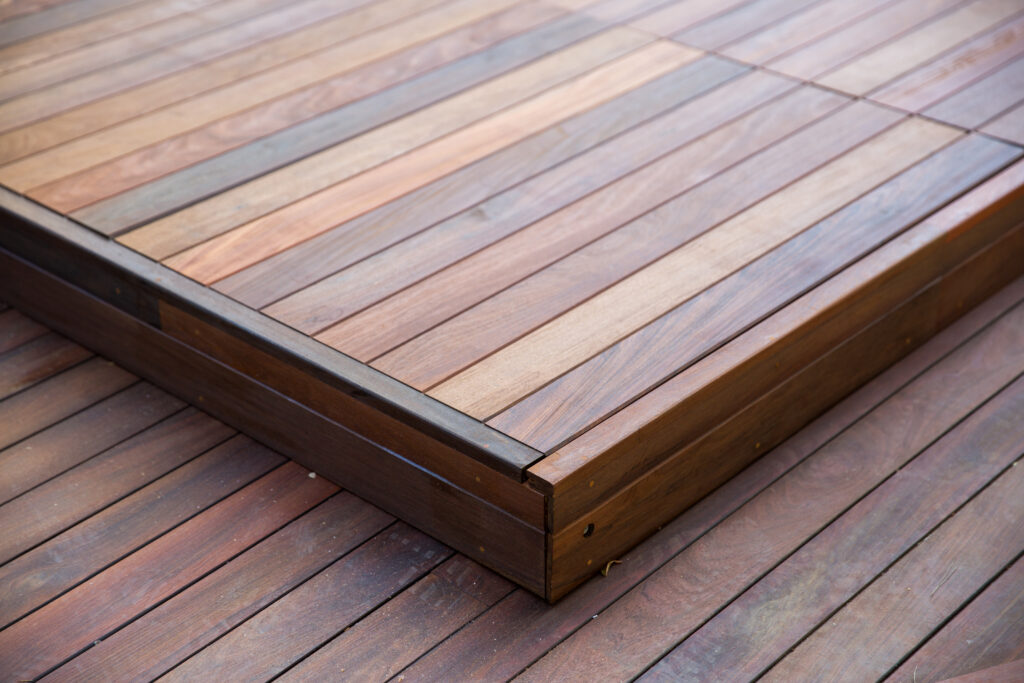
What are the Benefits & Uses of Decking?
Both composite and wooden decking can be a versatile addition to any garden, offering both functional and aesthetic benefits. It can be used to create an outdoor seating area, a platform for a hot tub, or simply to extend your living space into the garden.
Here are some of the key benefits of installing decking:
- Expands your outdoor living space
- Ideal for creating seating or dining areas
- Adds value to your property
- Low-maintenance options available (plastic or composite decking)
- Enhances the aesthetic appeal of your garden
Whether you choose softwood, hardwood, or composite decking, our team of expert landscapers in Swindon and Royal Wootton Bassett ensures the perfect fit for your home.
Our Decking Installation Process
At Godfrey & Mann Landscaping & Property Ltd, we pride ourselves on a seamless garden decking installation process. Our landscapers begin with a detailed consultation to understand your preferences and needs.
We then prepare the ground, ensuring a stable foundation, and expertly fit your decking to ensure a flawless finish. With years of experience in decking installation, we guarantee a high-quality, durable deck that meets your expectations.
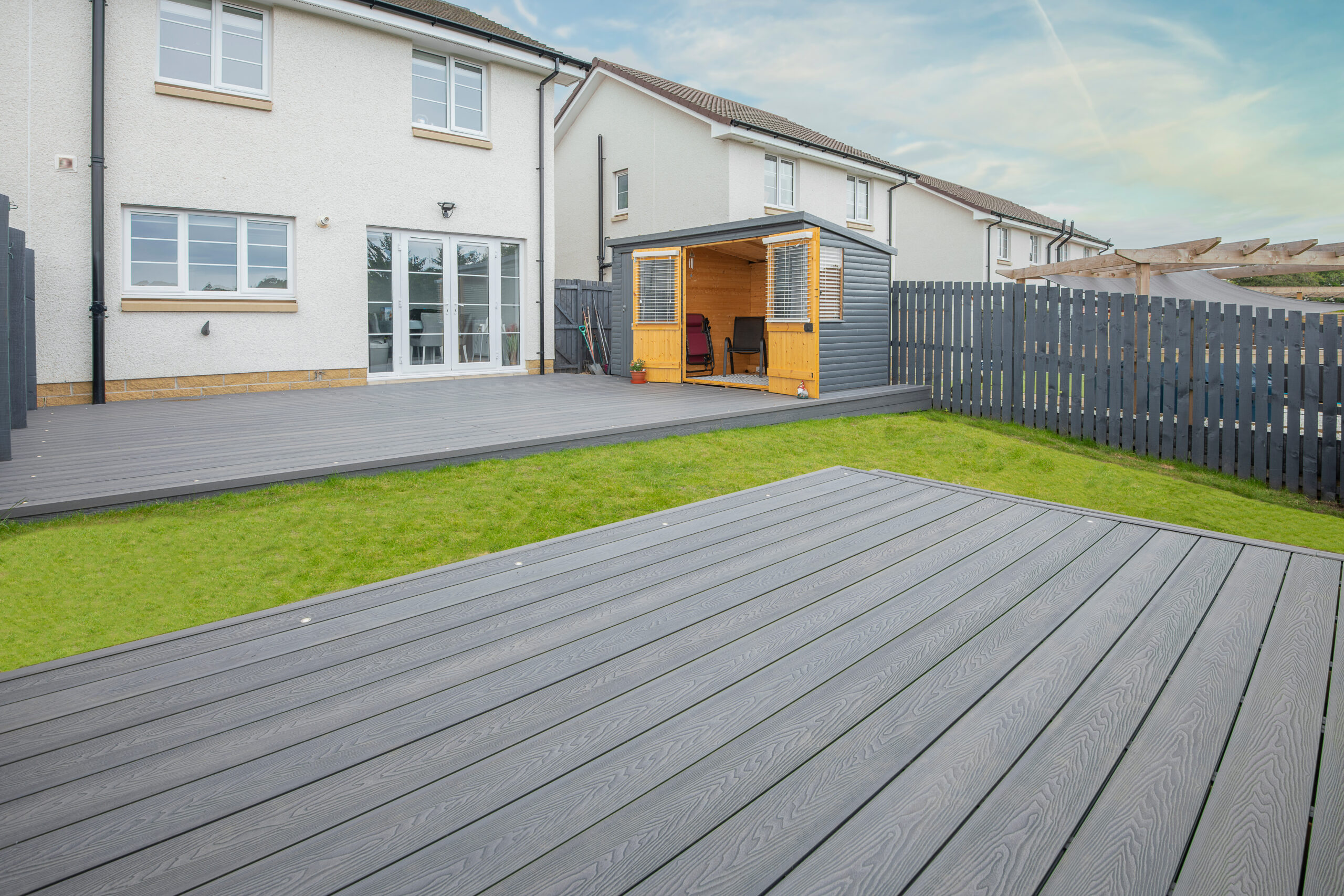

FAQs – Composite Decking
Does composite decking really last longer than wood?
Yes. Composite decking is engineered to last significantly longer than traditional timber. It resists rot, warping, splintering and insect damage, which are common issues with wooden boards. While softwood decking may need replacing after 10 to 15 years, good-quality composite decking can remain strong and attractive for decades with minimal upkeep.
How long does composite decking last?
Most composite decking lasts between 25 and 30 years, and some premium products last even longer. Because the boards are made from a blend of recycled plastic and wood fibres, they are highly resistant to weathering, fading and moisture. This longevity makes composite decking a cost-effective long-term investment for your garden.
Does composite decking need much maintenance?
Composite decking is much lower-maintenance than natural timber. There is no need for sanding, staining or sealing. A simple clean with soapy water and a soft brush every few months is usually enough to keep it looking its best. It also does not splinter, which makes it a safe and family-friendly option.
Is composite decking slippery in the rain?
Quality composite decking is designed with slip-resistant textures that provide good grip even when the surface is wet. While any outdoor material can become slightly slippery in extreme conditions, composite decking generally performs better than smooth timber boards. Regular cleaning to remove algae or debris will keep the surface safe and comfortable underfoot.
Contact Us Today
If you’re looking for a professional landscaper in or around Swindon or Royal Wootton Bassett to install either wooden decking or composite decking, look no further than Godfrey & Mann. Contact us on 07789 058024 to discuss your requirements and transform your space via garden decking installation.